Archives
- 2026-06
- 2026-05
- 2026-04
- 2026-03
- 2026-02
- 2026-01
- 2025-12
- 2025-11
- 2025-10
- 2025-09
- 2025-03
- 2025-02
- 2025-01
- 2024-12
- 2024-11
- 2024-10
- 2024-09
- 2024-08
- 2024-07
- 2024-06
- 2024-05
- 2024-04
- 2024-03
- 2024-02
- 2024-01
- 2023-12
- 2023-11
- 2023-10
- 2023-09
- 2023-08
- 2023-07
- 2023-06
- 2023-05
- 2023-04
- 2023-03
- 2023-02
- 2023-01
- 2022-12
- 2022-11
- 2022-10
- 2022-09
- 2022-08
- 2022-07
- 2022-06
- 2022-05
- 2022-04
- 2022-03
- 2022-02
- 2022-01
- 2021-12
- 2021-11
- 2021-10
- 2021-09
- 2021-08
- 2021-07
- 2021-06
- 2021-05
- 2021-04
- 2021-03
- 2021-02
- 2021-01
- 2020-12
- 2020-11
- 2020-10
- 2020-09
- 2020-08
- 2020-07
- 2020-06
- 2020-05
- 2020-04
- 2020-03
- 2020-02
- 2020-01
- 2019-12
- 2019-11
- 2019-10
- 2019-09
- 2019-08
- 2019-07
- 2019-06
- 2019-05
- 2019-04
- 2018-07
-
Materials and methods Cell culture and receptor gene transfe
2020-07-13
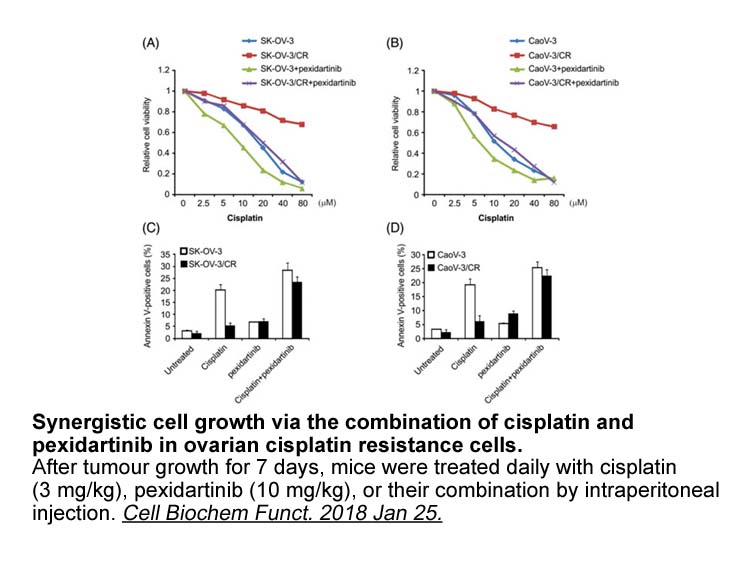
Materials and methods Cell culture and receptor gene transfection. PC12 SCR7 were purchased from the Institute of Cell Biology, Chinese Academy of Sciences, Shanghai, China. The cDNA for mouse CysLT1 or CysLT2 receptor (mCysLT1 and mCysLT2, subcloned into pcDNA3.0) was kindly gifted by Professor C
-
This study demonstrates that GUL affects multiple pathways p
2020-07-13
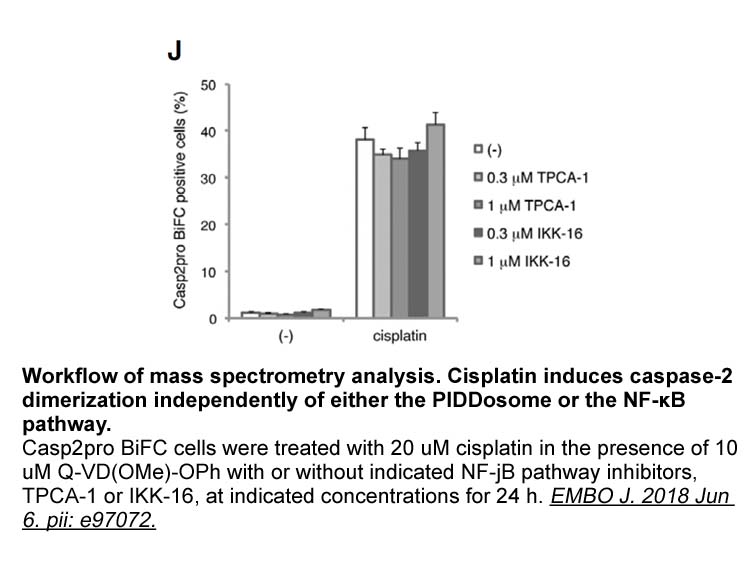
This study demonstrates that GUL-1 affects multiple pathways/processes. As GUL-1 is likely to function as an RNA-binding protein, it is conceivable that the mRNAs involved are bound to GUL-1 as part of the regulatory function of the protein. In fact, in S. cerevisiae Ssd1 was shown to bind multiple
-
PX 866 Therefore in this study we determined
2020-07-11
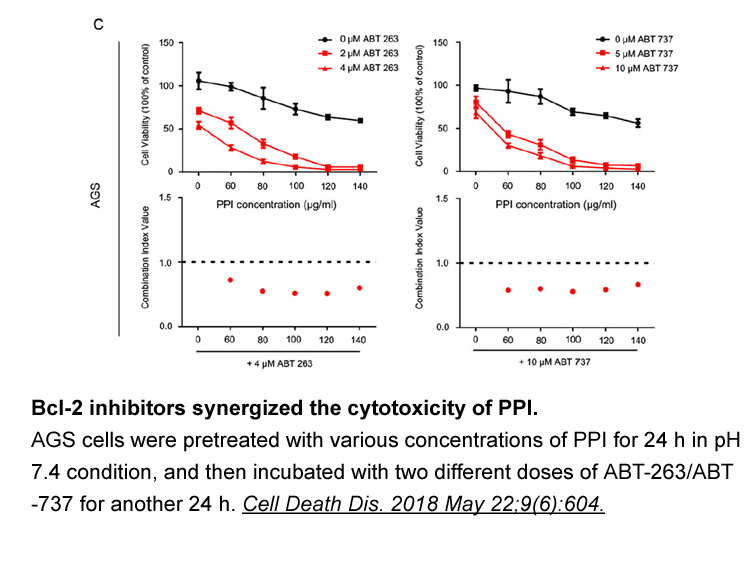
Therefore, in this study we determined whether exogenous LTD, a potent agonist of both CysLT and CysLT receptors , , induces PX 866 edema and AQP4 expression in mouse brain; if so, which subtype of the receptors is involved in AQP4 expression in mouse brain and the cultured rat astrocytes. Materia
-
br Materials and methods br Results br
2020-07-11
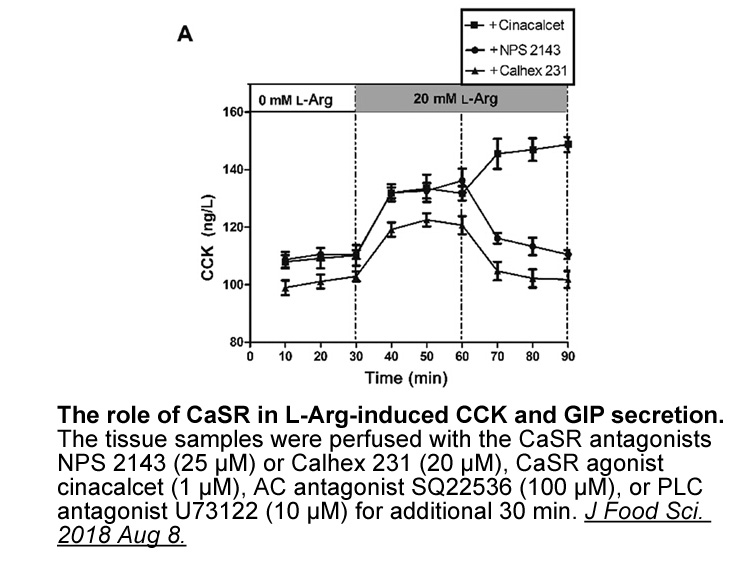
Materials and methods Results Discussion TP has aroused extensive explorations because of its potent anti-inflammatory, immune-suppressive and antitumor activities. Notwithstanding these, TP has yet to enter Phase II clinical trials owing to its severe toxicity (Zhou et al., 2012). TP could
-
Acidosis has lethal consequences but
2020-07-11
Acidosis has lethal consequences, but alkalosis (due to chloride depletion, potassium depletion, and excess mineralocorticoid) is not tolerated as well (Luke and Galla, 2012). In this regard, efforts to restore pH to normal physiological level, in the most benign way should be the goal of researcher
-
Fmoc-D-Lys(Boc)-OH mg In contrast T bet downregulated the ex
2020-07-11
In contrast, T-bet downregulated the expression of Tfh functional molecules, CD40L, ICOS, and IL-21; accordingly, T-bet overexpression abrogated the helper function of IL-12-stimulated CD4+ T cells. Thus, T-bet seems more involved in the downregulation of the helper functions than in the differentia
-
Recent studies have also uncovered
2020-07-11
Recent studies have also uncovered additional roles for E2 enzymes and E2~Ub conjugates in modulating the activity of deubiquitinating enzymes (DUBs), such as OTUB1 (Juang et al., 2012, Wiener et al., 2013, Wiener et al., 2012). Interestingly, OTUB1 has also been shown to associate and modulate the
-
To explore the mechanism behind differential activation kine
2020-07-11
To explore the mechanism behind differential activation kinetics, Marcott et al. (2018) manipulate local dopamine dynamics. They show that differences in dopamine concentrations are not responsible for different D2R activation kinetics, since D2-IPSCs reach similar amplitudes at different rates in N
-
Previous studies from our lab looked at
2020-07-10
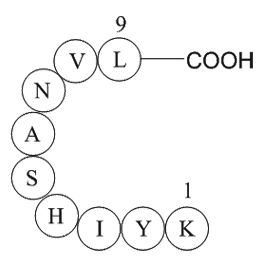
Previous studies from our lab looked at the effect of interfering with crossover helix interactions in TS-DHFR. One study utilized peptide mimetics of the crossover helix to inhibit wild-type TS-DHFR noncompetitively, and with an IC of 230 μM. A second study used a virtual screening approach to iden
-
An increasing body of evidence demonstrates that MXC can cau
2020-07-10
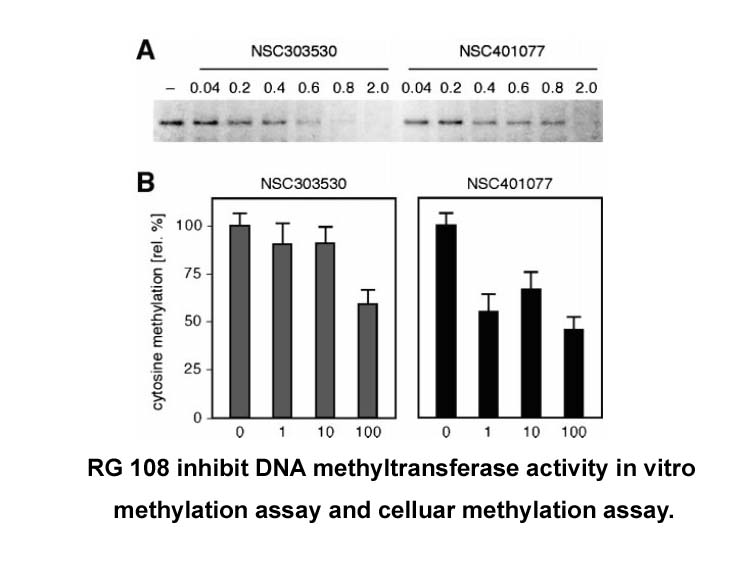
An increasing body of evidence demonstrates that MXC can cause neurobehavioral and neuropathological alterations [7]. In the brain, there are several steroidogenic enzymes, which are responsible for neurosteroid production. Neurosteroids are subsets of steroids that rapidly change neuronal excitabil
-
br Acknowledgements This work was supported by grants
2020-07-10
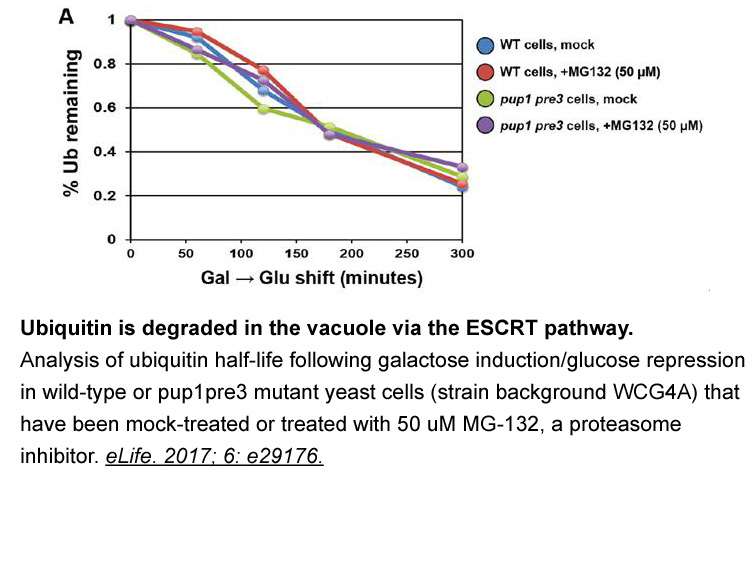
Acknowledgements This work was supported by grants from Agence Nationale de la Recherche (ANR CAPHE) and from Ligue contre le Cancer. We acknowledge the continuous support of CNRS and the University of Strasbourg. We thank the technical assistance of the “Plateforme de Chimie Intégrative de Stras
-
An additional difference in ACC between H contortus and
2020-07-10

An additional difference in ACC-1 between H. contortus and C. elegans is the results from the oocyte expression experiments. Here we found that unlike Cel-ACC-1 that was reported to form a functional homomeric channel (Putrenko et al., 2005), Hco-ACC-1 does not. However, we have observed that in gen
-
br Materials and methods br Results
2020-07-10
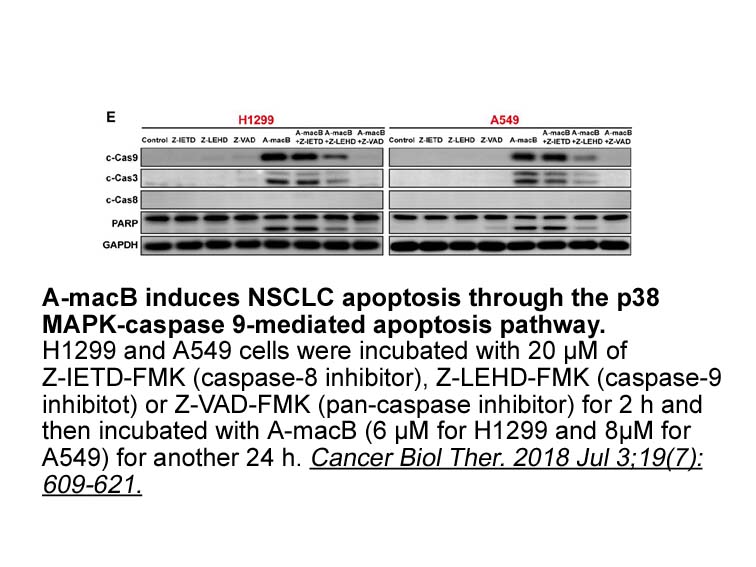
Materials and methods Results Discussion Although some conditioning therapies have provided satisfactory clinical outcomes, mammalian species have little or no ability to replace injured cardiac tissue [34]. Therefore, therapeutic strategies based on the prevention, rather than treatment af
-
SYBR Safe DNA Gel Stain sale Several molecular differences b
2020-07-10
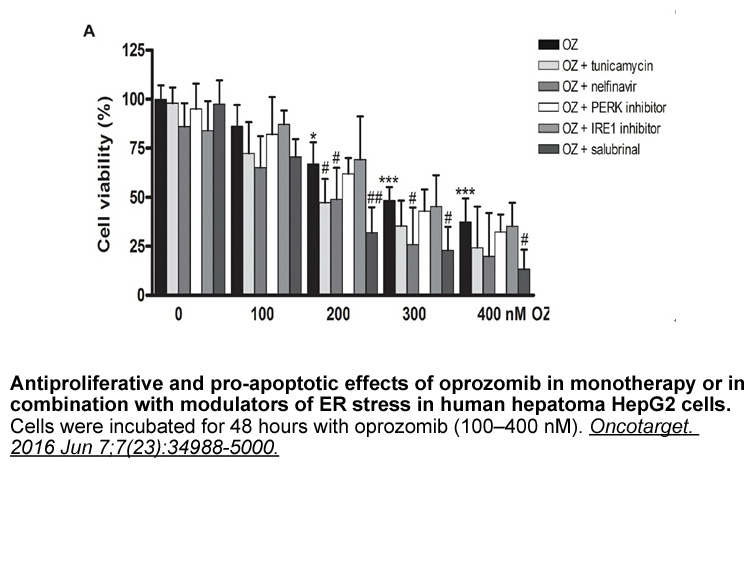
Several molecular differences between visceral and subcutaneous adipose tissue have been described. One of the most demarcating differences between adipose depots is the signature of developmental genes, including Hox, Shox, and T-box genes [12], [13]. Lineage tracing studies have revealed key devel
-
prolyl hydroxylase inhibitor br Molecular characterization o
2020-07-09
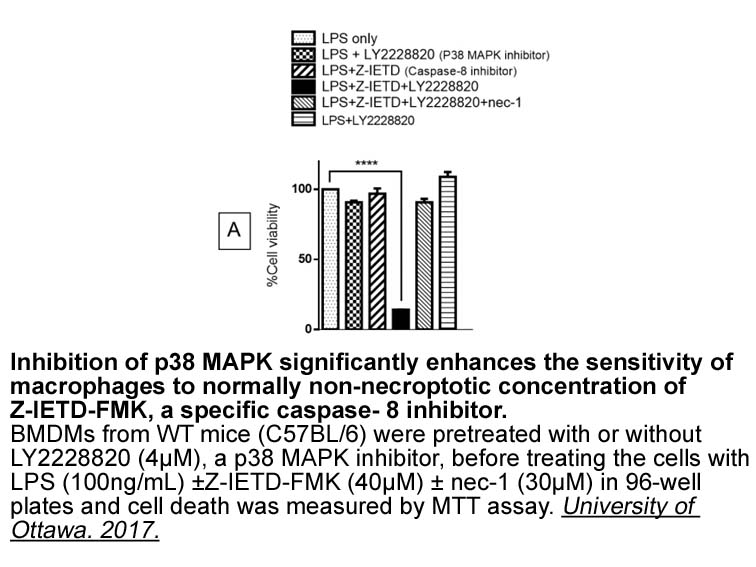
Molecular characterization of LEI/L-DNase II LEI, like most serpins, is a metastable protein and its anti-protease activity is related to its “stressed to relaxed transition”. So that, the inhibition of elastase by the well described suicide mechanism generates the cleaved form of LEI (see Padron
16453 records 857/1097 page Previous Next First page 上5页 856857858859860 下5页 Last page