Archives
- 2026-10
- 2026-09
- 2026-08
- 2026-07
- 2026-06
- 2026-05
- 2026-04
- 2026-03
- 2026-02
- 2026-01
- 2025-12
- 2025-11
- 2025-10
- 2025-09
- 2025-03
- 2025-02
- 2025-01
- 2024-12
- 2024-11
- 2024-10
- 2024-09
- 2024-08
- 2024-07
- 2024-06
- 2024-05
- 2024-04
- 2024-03
- 2024-02
- 2024-01
- 2023-12
- 2023-11
- 2023-10
- 2023-09
- 2023-08
- 2023-07
- 2023-06
- 2023-05
- 2023-04
- 2023-03
- 2023-02
- 2023-01
- 2022-12
- 2022-11
- 2022-10
- 2022-09
- 2022-08
- 2022-07
- 2022-06
- 2022-05
- 2022-04
- 2022-03
- 2022-02
- 2022-01
-
br Conclusions Osteoclcastogenesis is regulated by multiple
2022-01-28
Conclusions Osteoclcastogenesis is regulated by multiple signal transduction pathways. To maintain bone homeostasis, osteoclast cells must achieve a balance regulation of formation, function, and trafficking of its precursors. Here, we proposed a model in which crosstalk between Fas and S1P/S1P1
-
The other type of cell death
2022-01-28

The other type of cell death that occurs in activated T vitamin b12 cyanocobalamin is caused by growth factor withdrawal following TCR-mediated activation, whereby most of the activated T cells die by apoptosis following the eradication of bacteria during an acute infection in order to reduce the le
-
An isoflavone type secondary metabolite
2022-01-28
An isoflavone type secondary metabolite, Glabrescione B (GlaB), from Derris glabrescens (Benth.) J.F. Macbr. from the family Fabaceae, was found to possess the capacity to bind the Gli1 zinc finger domain and to further block DNA binding capacity [118]. Pyrvinium, an anthelmintic drug approved by th
-
Interestingly the virulence of HBV may adaptively evolve thu
2022-01-28
Interestingly, the virulence of HBV may adaptively evolve, thus affecting the macroscopic propagation of hepatitis B. Higher virulence in vivo may result in a higher transmission rate and mortality. By assuming that the transmission rate is a monotonically increasing function of virulence, , we prop
-
Decreasing GSK activity has therapeutic benefits in animal m
2022-01-28
Decreasing GSK-3β activity has therapeutic benefits in animal model of colitis [45] and traumatic energy metabolism injury [46] and ischemia/reperfusion injury [47,48]. In brain, activation of GSK-3β promotes Aβ toxicity by elevating APP expression and its amyloidogenic cleavage, and by dysregulatin
-
Here we show that lactate activates the
2022-01-28
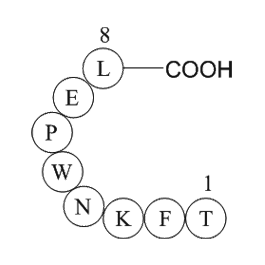
Here we show that lactate activates the Gi-coupled receptor GPR81, which is exclusively expressed on adipocytes, and that lactate released from adipocytes in response to glucose and insulin mediates insulin-induced antilipolysis by activation of GPR81. Results Discussion Nutrients and their m
-
In order to investigate whether this off target
2022-01-28
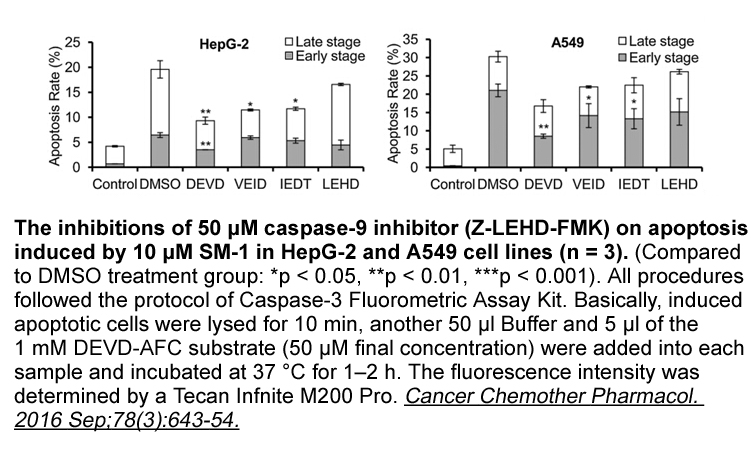
In order to investigate whether this off-target activity was related to a particular structural feature of this PND-1186 synthesis or was characteristic of the series, compounds , and were selected as being matched pairs with compound but with structural variation in terms of the R, R and R groups,
-
To test our refinement protocol we considered
2022-01-28
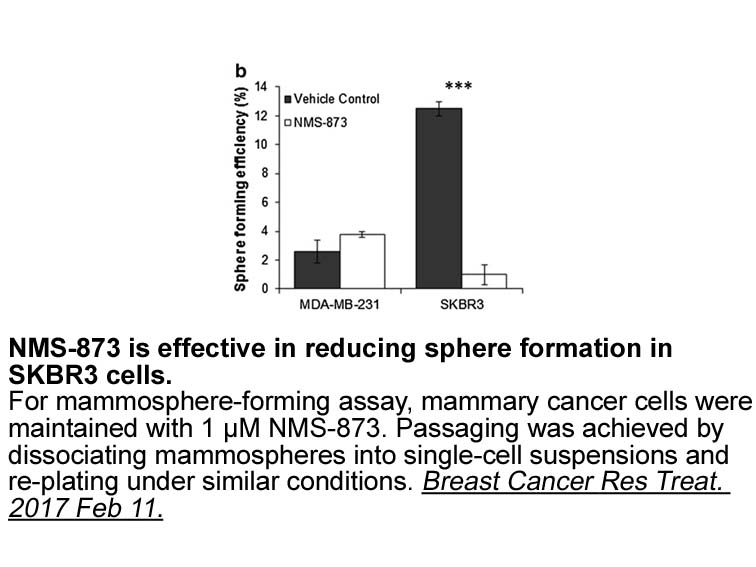
To test our refinement protocol, we considered a benchmark set of 12 N-linked glycan-containing protein structures determined by X-ray crystallography at resolutions ranging between 1.9 Å and 3.5 Å and comprising a total of 133 glycan units. We identified four incorrect anomeric configurations and 2
-
Depending upon the varied habitats e g soil
2022-01-28
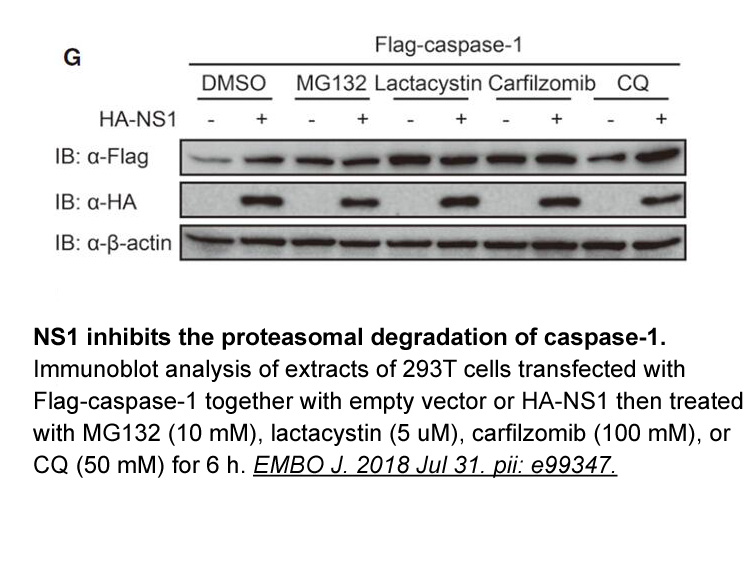
Depending upon the varied habitats (e.g. soil, water, animal digestive tracts, etc.), microbes possess a diverse range of carbohydrate ABC transporters and metabolic pathways (Rodionov et al., 2013; Bräsen et al., 2014). Thermus thermophilus HB8, a thermophilic gram-negative bacterium dwelling in ho
-
Long non coding RNAs lncRNAs
2022-01-28
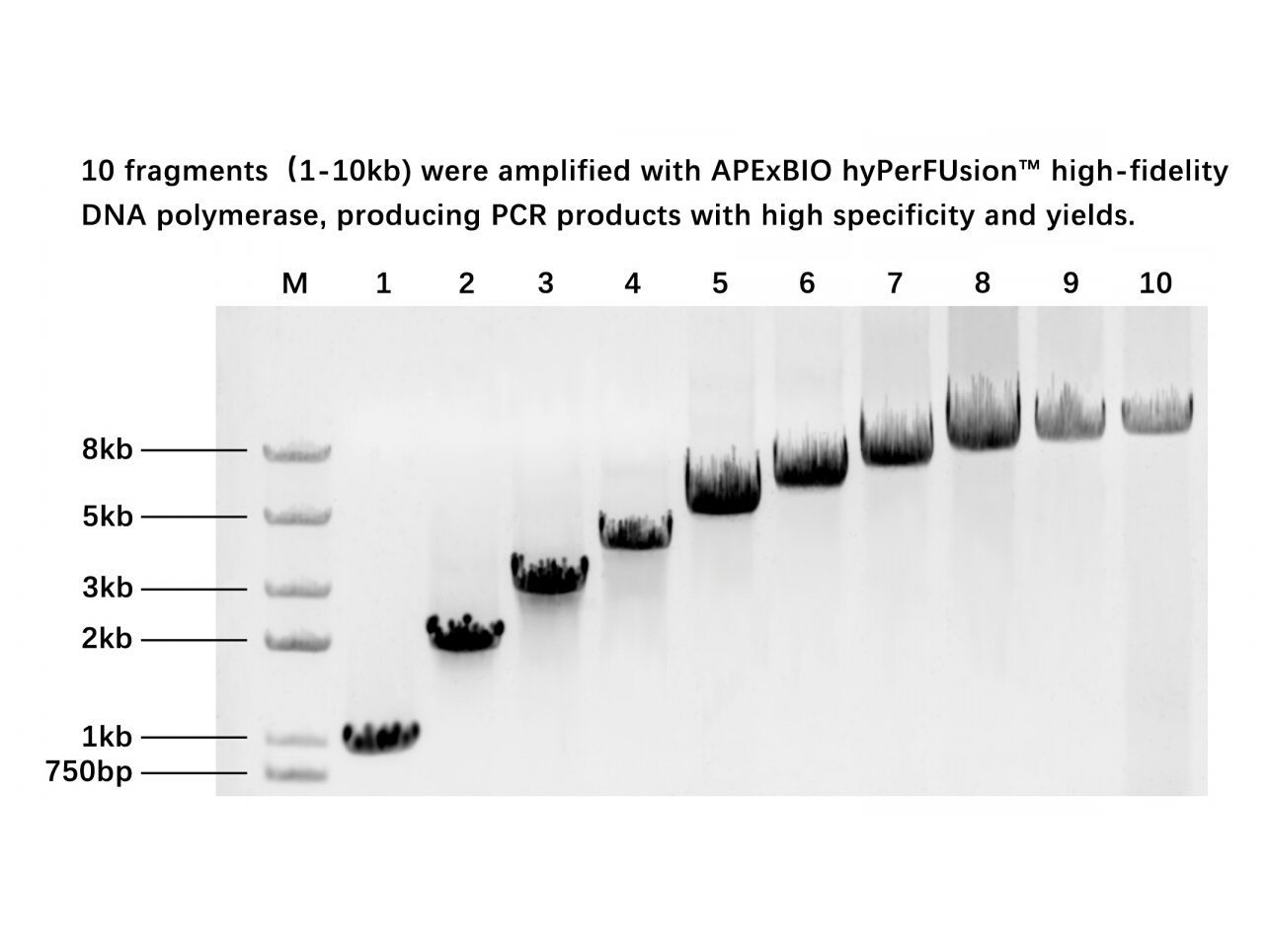
Long non-coding RNAs (lncRNAs) are mRNA-like transcripts of greater than 200 nucleotides (nt), with little or no protein-coding potential [13,14]. LncRNAs have been suggested to participate in transcription and post-transcription regulation as scaffolds, guides, decoys or repressors, activators, and
-
br Introduction The alternative splicing
2022-01-28
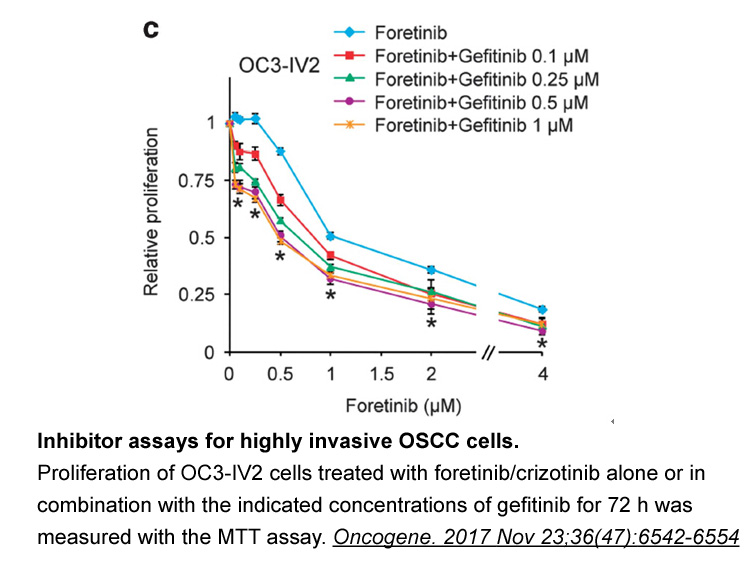
Introduction The alternative splicing of pre-mRNA is essential for generating multiple matured mRNAs from a single gene by selectively removing introns. Neural Asiatic acid australia show many examples of regulated alternative splicing events, which produce structural changes in proteins importa
-
Solamargine synthesis Transmembrane AMPA receptor regulatory
2022-01-28
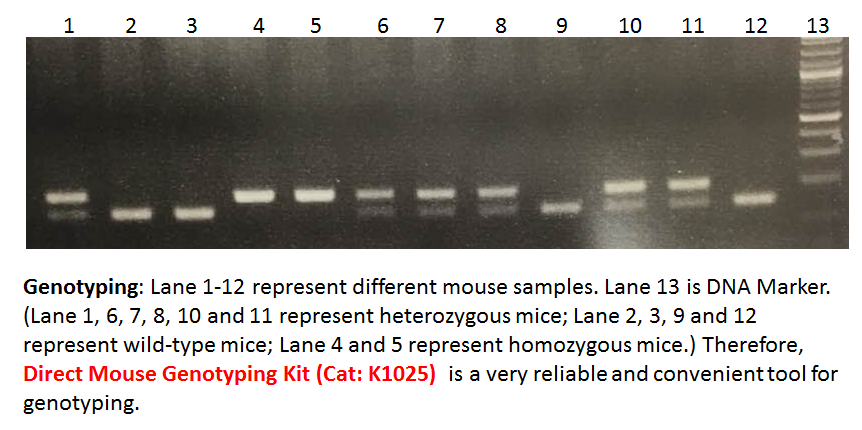
Transmembrane AMPA receptor regulatory proteins (TARPs) are a relatively newly discovered protein family. Prototypic TARP, stargazin, was found by a spontaneous mutation in ataxic stargazer mouse line as a homologous protein to γ1 calcium channel subunit (Letts et al., 1998). The role of stargazin i
-
Cx mimetic peptides short synthetic peptides corresponding t
2022-01-27
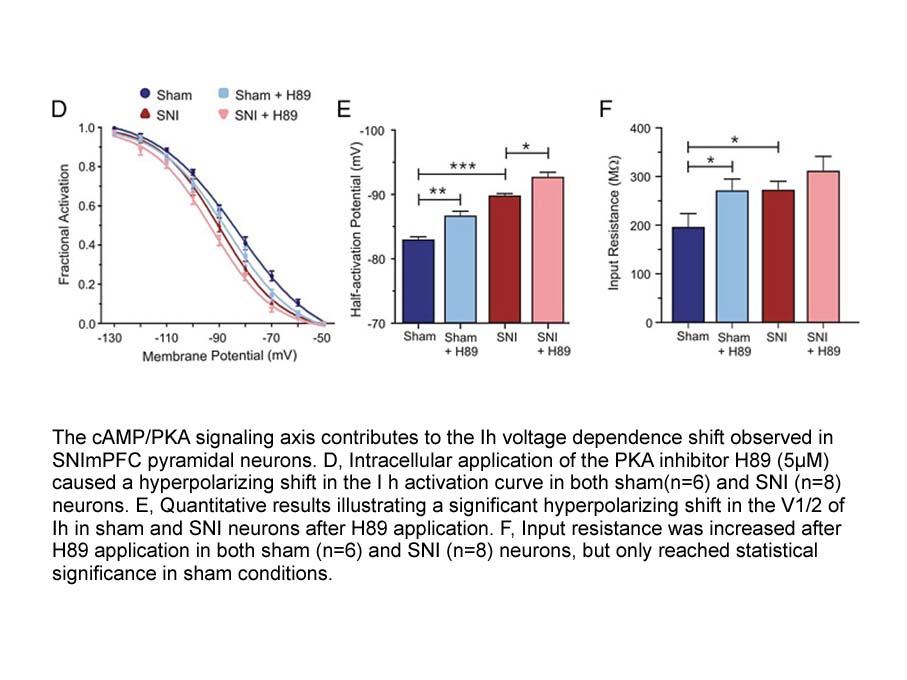
Cx mimetic peptides, short synthetic peptides corresponding to intracellular amino Metronidazole mg sequences of diverse Cx have better specificity compared to traditional GJ blockers and openers. In particular, it was reported that Cx mimetic peptides reversibly inhibited GJ channel function in a
-
Cytokines and hormones influence both gap junctions and endo
2022-01-27
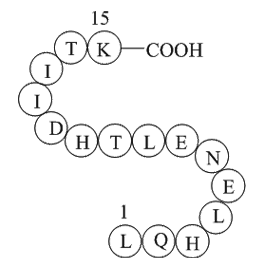
Cytokines and hormones influence both gap junctions [106] and endocrine activity in the pituitary [3]. Long-term treatment (2 h) with the proinflammatory cytokines interleukin-1β (Il-1β) and tumor necrosis factor-α (TNF-α) transiently increases Cx43 expression and cell coupling in TtT/GF Mycophenoli
-
Human GS is a multi subunit
2022-01-27
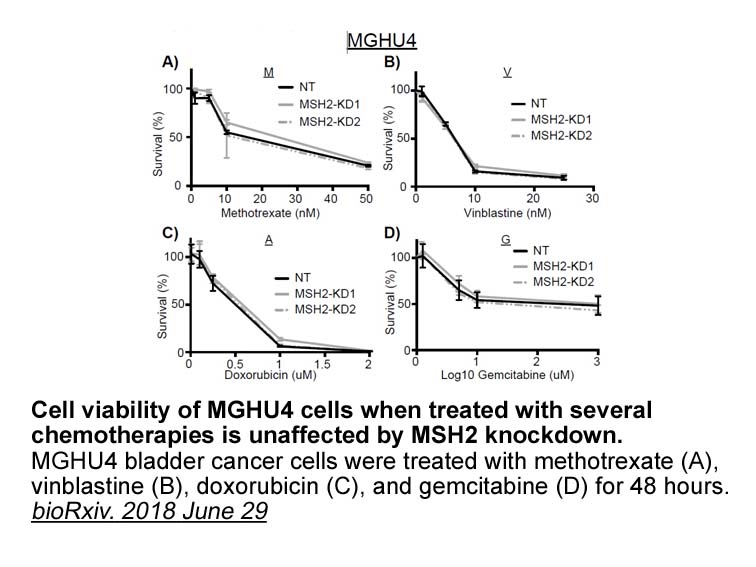
Human GS is a multi-subunit complex consisting of four components: presenilin 1 (PS1), presenilin enhancer 2 (PEN-2), anterior pharynx-defective 1A (APH-1A) and nicastrin (NCT) (Fig. 1a) [5,6]. PS1 comprise nine transmembrane helices (TM 1–9) and contains the catalytic aspartate residues in its TM6
8491 records 551/567 page Previous Next First page 上5页 551552553554555 下5页 Last page