Archives
- 2026-10
- 2026-09
- 2026-08
- 2026-07
- 2026-06
- 2026-05
- 2026-04
- 2026-03
- 2026-02
- 2026-01
- 2025-12
- 2025-11
- 2025-10
- 2025-09
- 2025-03
- 2025-02
- 2025-01
- 2024-12
- 2024-11
- 2024-10
- 2024-09
- 2024-08
- 2024-07
- 2024-06
- 2024-05
- 2024-04
- 2024-03
- 2024-02
- 2024-01
- 2023-12
- 2023-11
- 2023-10
- 2023-09
- 2023-08
- 2023-07
- 2023-06
- 2023-05
- 2023-04
- 2023-03
- 2023-02
- 2023-01
- 2022-12
- 2022-11
- 2022-10
- 2022-09
- 2022-08
- 2022-07
- 2022-06
- 2022-05
- 2022-04
- 2022-03
- 2022-02
- 2022-01
-
The Rab to Rab switch on endosomes
2022-04-16
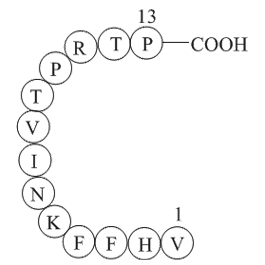
The Rab5 to Rab7 switch on endosomes co-occurs with the release of the Rab5 GEF Rabex5 from endosomes, which prevents further Rab5 activation [5]. In addition, the Rab5 GAP is recruited to inactivate remaining Rab5 [67]. Recent data suggest that another GAP, TBC1D5, which binds the retromer complex,
-
Earlier we have shown relationship between cytotoxicity and
2022-04-16
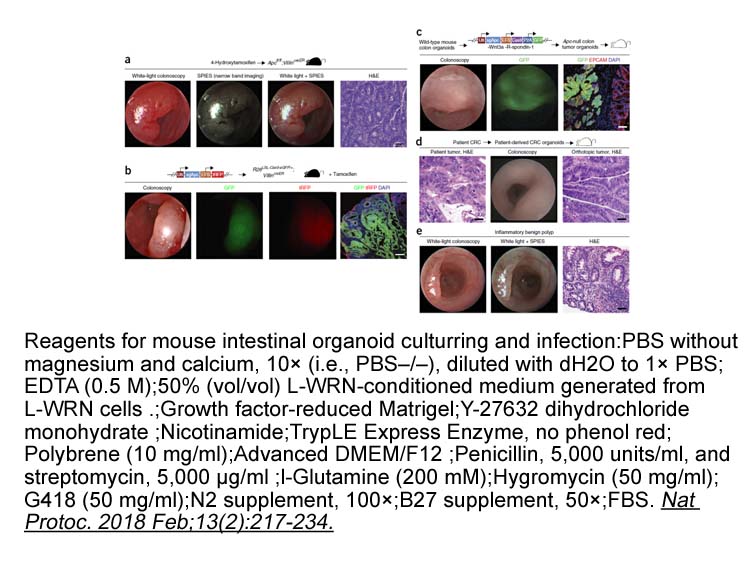
Earlier, we have shown relationship between cytotoxicity and receptor degeneration in 7ACC1 having specific neurotransmitter receptors (Siddiqui et al., 2008). In the present study, exposure to 4-HNE reduced expression of DA-D2 receptors in PC12 cells which was found to be concentration dependent a
-
br Material and methods br Results and discussion Unlike man
2022-04-16
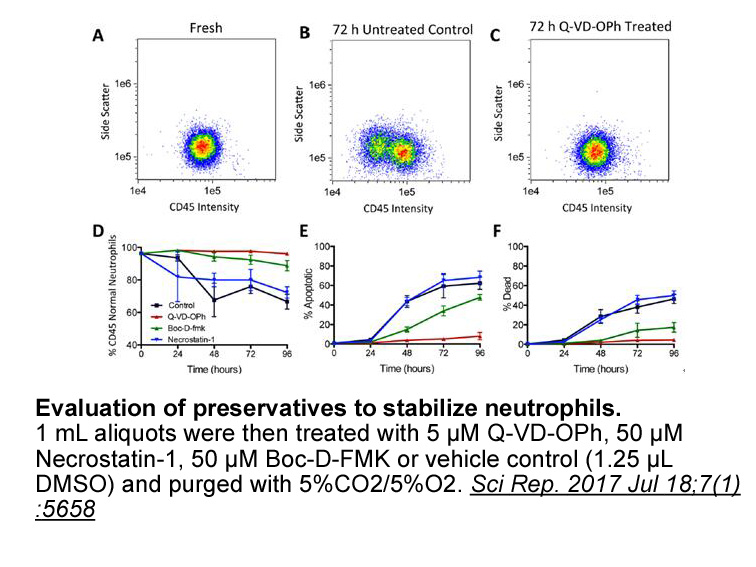
Material and methods Results and discussion Unlike many fruits such as bananas and tomatoes, known as climacteric fruits, in which ripening is regulated by a burst of Gap19 biosynthesis and an increase in respiration, pepper fruits, which do not follow this pattern, are called non-climacteric
-
nigericin In the present study we conducted
2022-04-16
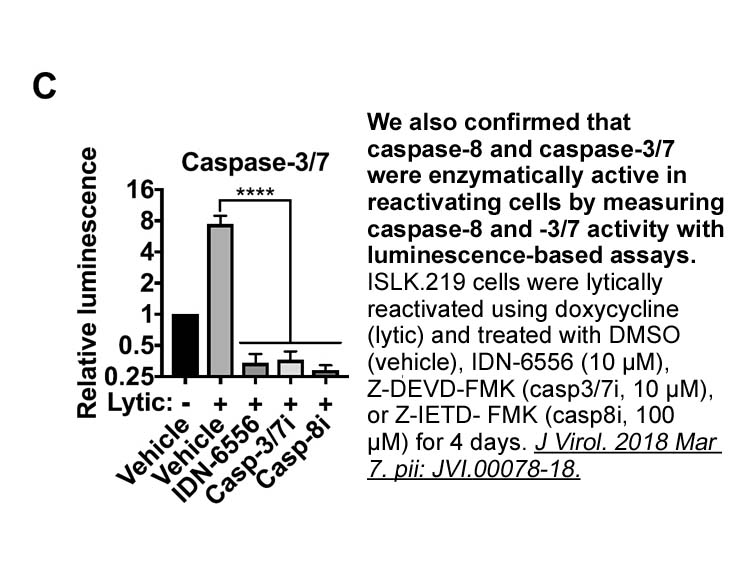
In the present study, we conducted a search for other possible endogenous ligands for GPR35. We focused on lysophospholipids because of the homology (30%) between GPR35 and GPR55 whose endogenous ligand is lysophosphatidylinositol (LPI) [9], especially 2-arachidonoyl LPI [10]. Notably, the GPR35 gen
-
br Expression of GlyT in the spinal
2022-04-16
Expression of GlyT in the spinal cord in response to neuropathic pain Twelve days after sham injury or CCI, GlyT1 and GlyT2 mRNA expression in rat spinal cord was analyzed using qPCR. Here, no significant changes in expression of the transporters in our CCI model of neuropathic pain compared with
-
br Introduction As is now well known
2022-04-15
Introduction As is now well known, obesity is major risk factor for various diseases such as nonalcoholic fatty liver disease, cardiovascular disease, some cancers (McWilliams and Petersen, 2009), type-2 diabetes mellitus (Jakobsen et al., 2007), and hypertension (Aneja et al., 2004), among other
-
cAMP is a key secondary messenger
2022-04-15
cAMP is a key secondary messenger which transduces extracellular signals at glucagon receptors to intracellular effector molecules. cAMP-protein kinase A (PKA) pathway increases the gene expression of enzymes including phosphoenolpyruvate carboxykinase (PEPCK) and glucose 6-phosphatase (G6Pase) whic
-
Glucagon was described as an insulin secretagogue as early
2022-04-15
Glucagon was described as an insulin secretagogue as early as 1965 (Samols et al., 1965). Our studies extend these findings by demonstrating that this is a direct effect mediated by distinct receptors in the mouse pancreas. Previous experiments on isolated β loxo 101 synthesis clearly show that glu
-
Formyl peptide receptors FPRs are a family of surface expres
2022-04-15
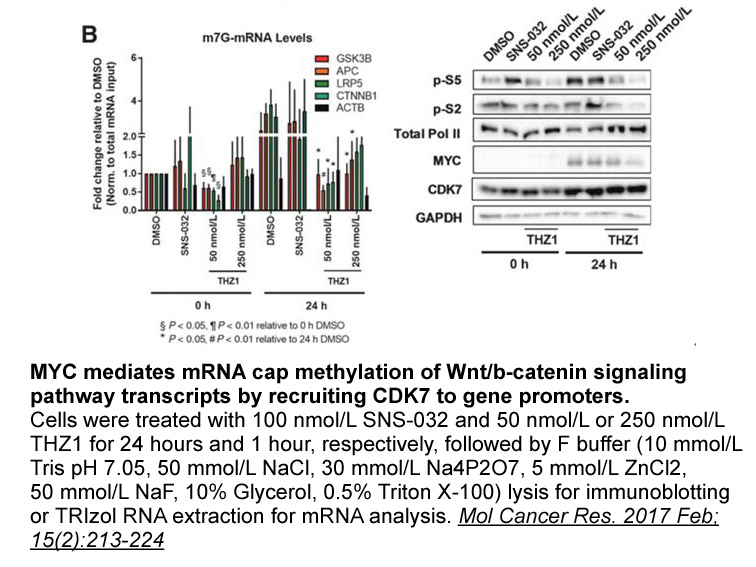
Formyl peptide receptors (FPRs) are a family of surface-expressed, G protein-coupled receptors [7]. The three members, FPR1, FPR2 and FPR3, share significant sequence homology, but have different functional properties [7]. While FPRs are mainly expressed by innate leukocytes, they are also found on
-
Prior models suggest that the terminal ends of the endocrine
2022-04-15
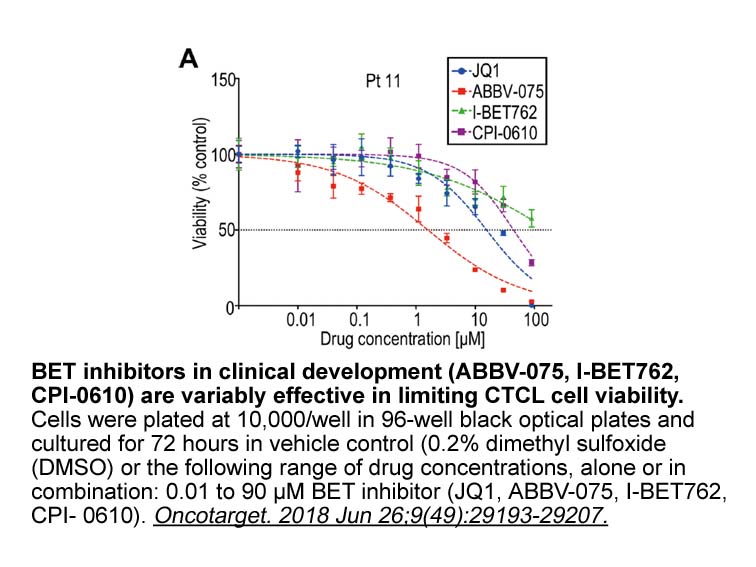
Prior models suggest that the terminal ends of the endocrine FGFs individually determine FGFR and KLB recognition, with little or no cross-talk. Our results confirm that short C-terminal sequences are necessary and sufficient to bind KLB and, supportive of a common mechanism, the underlying structur
-
Bile acids are the end
2022-04-15
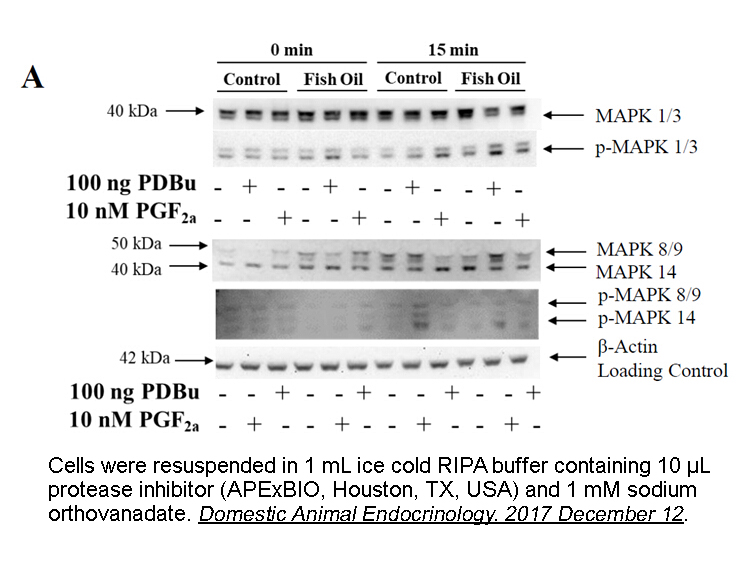
Bile acids are the end products of cholesterol catabolism and have also been considered as hepatomitogens. Recently, Yap has been shown to be activated by the mevalonate pathway, which is essential for the biosynthesis of isoprenoids and downstream cholesterol and bile acids (Sorrentino et al., 2014
-
It is known that changes in cGMP levels are
2022-04-14
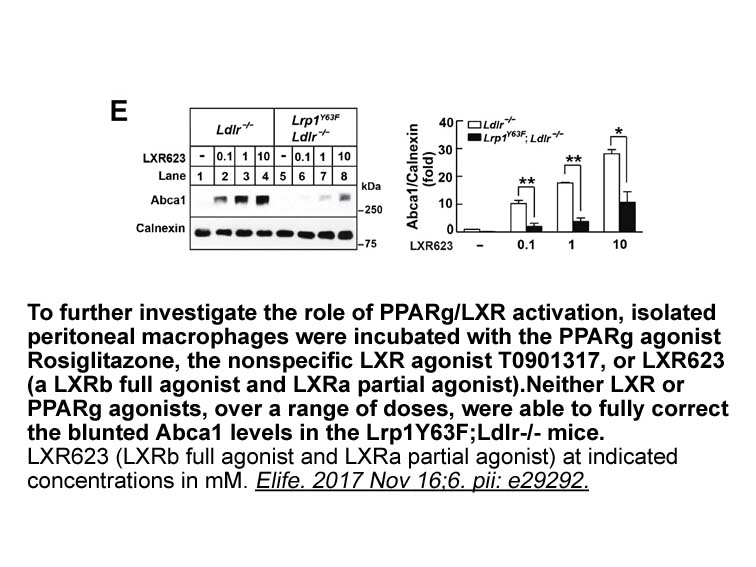
It is known that changes in cGMP levels are positively correlated with plant adaptation to environmental stresses. It seems that a novel group of moonlighting kinases with GC activity is particularly involved in response to biotic stress. It was shown that danger-associated molecular pattern (DAMPs)
-
Accessibility and physico chemical features
2022-04-14
Accessibility and physico-chemical features of cysteine residues define their redox-reactivity and the 3-dimensional structure of GSNOR allows to identifying such surface-exposed, redox-sensitive cysteine residues. GSNOR crystal structures are available from human (Protein Data Bank code: 1MP0), tom
-
Like tBHQ and DEM treatment of Keap MEFs with
2022-04-14
Like tBHQ and DEM, treatment of Keap1+/+ MEFs with SFN increased the abundance of Hmox1 and Nqo1 mRNA, and this was blunted by LY294002 and MK-2206 (Figure 2C). However, unlike the situation with tBHQ and DEM, treatment of Keap1−/− MEFs with SFN did not increase further the elevated basal levels of
-
Little is known about the
2022-04-14
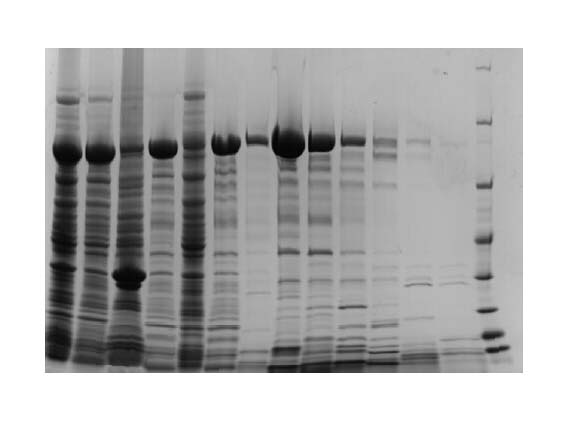
Little is known about the endocrinological control of reproduction in polychaetes. In vertebrates, gonadal maturation is regulated by the hypothalamo-pituitary-gonadal axis. GnRH, GTHs, and steroid hormones are involved in this axis (see Okubo and Nagahama, 2008). In two polychaete species, Perinere
8491 records 506/567 page Previous Next First page 上5页 506507508509510 下5页 Last page