Archives
- 2026-10
- 2026-09
- 2026-08
- 2026-07
- 2026-06
- 2026-05
- 2026-04
- 2026-03
- 2026-02
- 2026-01
- 2025-12
- 2025-11
- 2025-10
- 2025-09
- 2025-03
- 2025-02
- 2025-01
- 2024-12
- 2024-11
- 2024-10
- 2024-09
- 2024-08
- 2024-07
- 2024-06
- 2024-05
- 2024-04
- 2024-03
- 2024-02
- 2024-01
- 2023-12
- 2023-11
- 2023-10
- 2023-09
- 2023-08
- 2023-07
- 2023-06
- 2023-05
- 2023-04
- 2023-03
- 2023-02
- 2023-01
- 2022-12
- 2022-11
- 2022-10
- 2022-09
- 2022-08
- 2022-07
- 2022-06
- 2022-05
- 2022-04
- 2022-03
- 2022-02
- 2022-01
-
Liao and van Linden et al
2022-11-04
Liao [47] and van Linden et al. [48] divided the gap between the N-terminal and C-terminal lobes into a front cleft or pocket, a gate area, and a back cleft. The back pocket corresponds to the gate area and the back cleft. The front cleft includes the Gly-rich loop, the hinge, the linker connecting
-
br Conclusions br Conflict of interest
2022-11-04
Conclusions Conflict of interest Introduction Plants often encounter a series of abiotic stresses during the growth process, including high salinity, extreme temperatures and drought (Knight and Knight, 2001). Plants can adapt through ionic and osmotic homeostasis or osmotic adjustment, con
-
Adiponectin also suppresses inflammatory stimuli induced NF
2022-11-04
Adiponectin also suppresses inflammatory stimuli-induced NF-kappaB activation, which may significantly contribute to the anti-diabetic and anti-atherogenic effects of adiponectin (Ouchi et al., 2000). The downstream mediators of AdipoR1 and AdipoR2, RPPAR and AMPK increase inflammatory responses by
-
By promoting bundling and processive elongation of actin fil
2022-11-04
By promoting bundling and processive elongation of Swainsonine mg filaments and inhibiting association of capping protein with filament barbed ends, Ena/VASP family proteins contribute to the dynamics of lamellipodia and filopodia [41] and maintenance of focal adhesions and tight junctions [42, 43].
-
br The MIR The MIR is defined by
2022-11-04
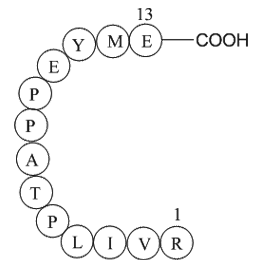
The MIR The MIR is defined by the ability of a single rat mAb to muscle or electric organ AChRs, typically mAb 35, to block binding of half or more of autoantibodies in human MG or EAMG [44], [45], [46]. Antibodies to the MIR are pathologically significant because they exhibit all the major patho
-
The sequence of our reconstructed
2022-11-04
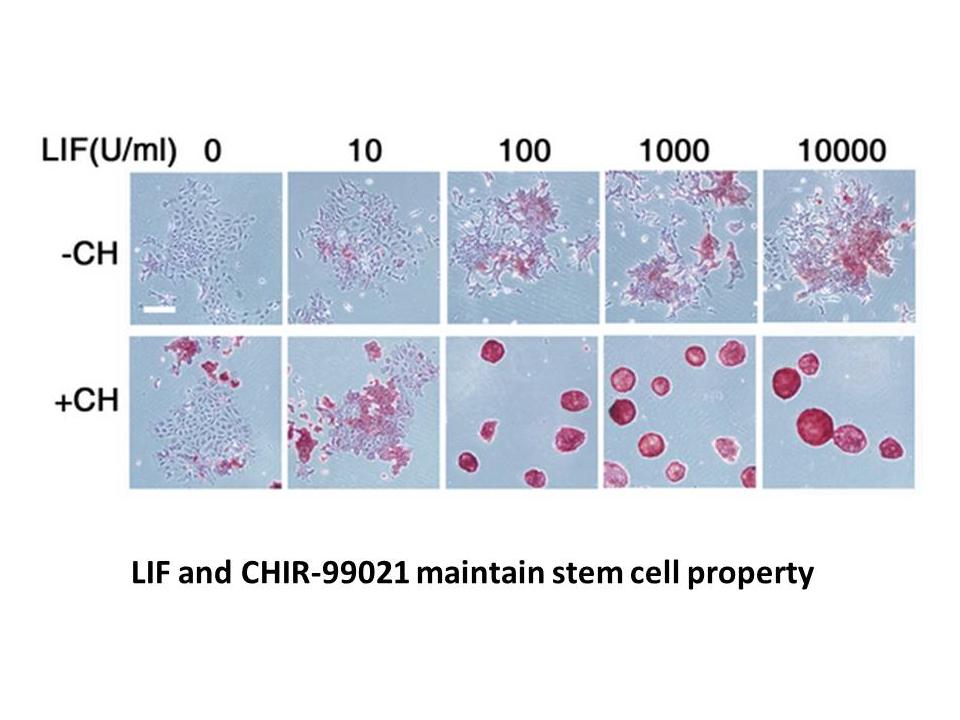
The sequence of our reconstructed βAnc is inferred based on probabilities, and the estimated probability of inferring the actual ancestral sequence is the product of the posterior probabilities for each site within the reconstructed sequence. Although the posterior probabilities (PP) for the majorit
-
Eicosanoids are locally acting signaling lipids that are pro
2022-11-04
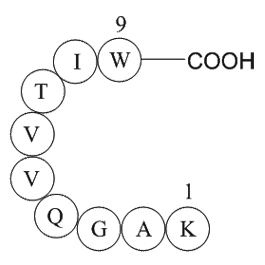
Eicosanoids are locally acting signaling lipids that are produced from C20 polyunsaturated fatty acids (PUFAs), including arachidonic saha hdac (AA, C20:4), eicosapentaenoic acid (C20:5) and eicosatrienoic acid (C20:3) (Dennis and Norris, 2015; Funk, 2001; Stables and Gilroy, 2011). According to the
-
br Acknowledgements This work was supported by the FedEx Ins
2022-11-04
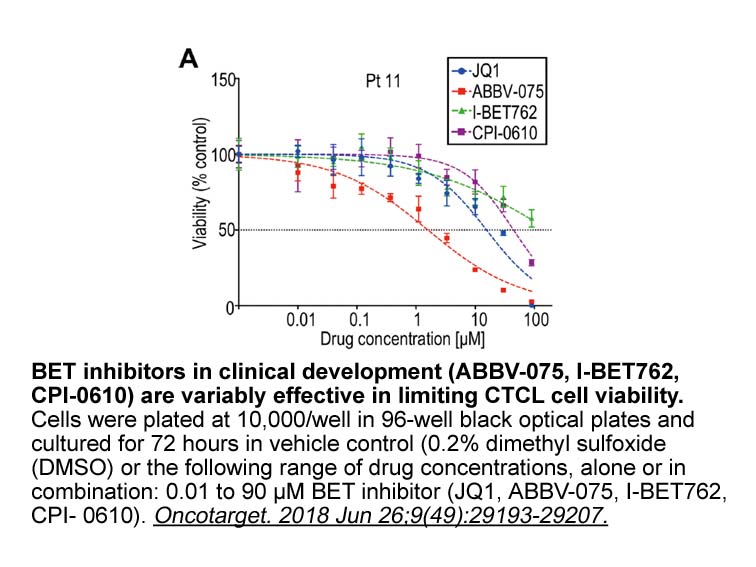
Acknowledgements This work was supported by the FedEx Institute of Technology at The University of Memphis (to DLB and ALP), NSF REU CHE 1156738 (to ALP in support of RSS), and NIHCA921060 (to GT). This material is based upon work supported by the National Science Foundation under Grant No. CHE-1
-
The enzyme Arginase ARG plays a role in
2022-11-04
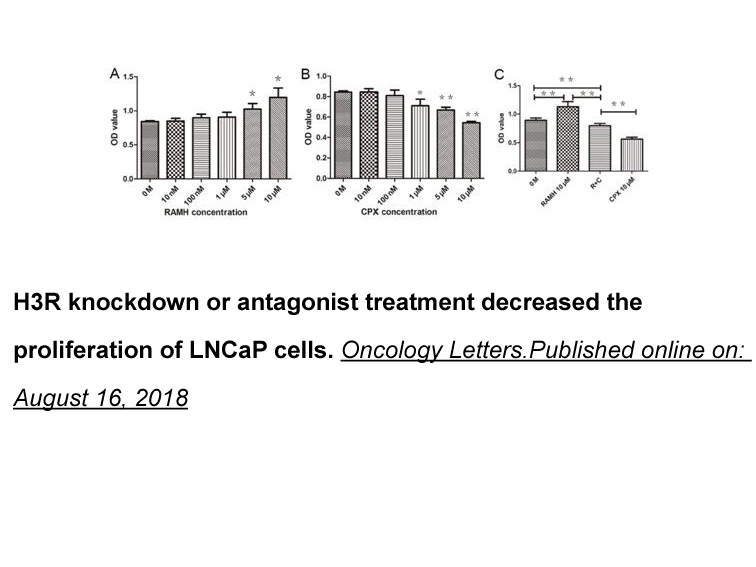
The enzyme Arginase 1 (ARG1) plays a role in the hepatic urea cycle by hydrolyzing L-arginine to L-ornithine and urea [13]. In the context of macrophages and MDSCs, ARG1 expression redirects L-arginine metabolism to abolish cytotoxic nitric oxide production [14], suppress T-cell function [15], [16],
-
Apelin is a peptide hormone
2022-11-04
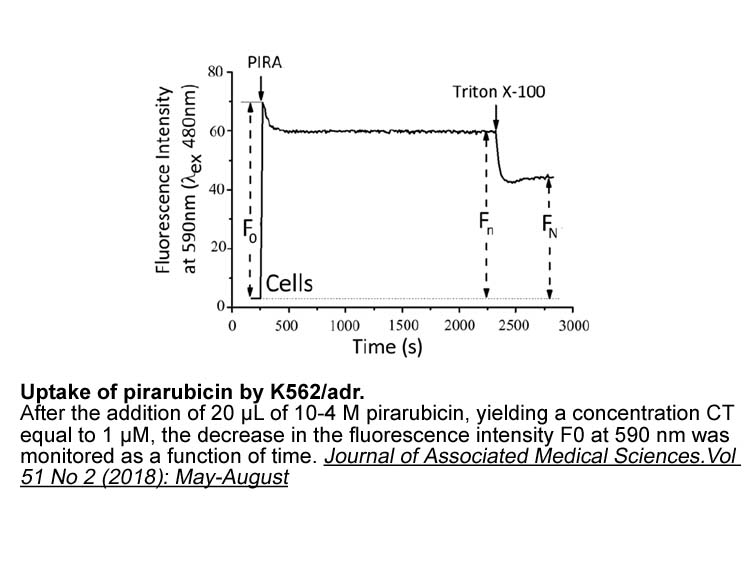
Apelin is a peptide hormone and an endogenous ligand for a G protein-coupled receptor named APJ [7], [8], and apelin and APJ are widely expressed in human organs including hypothalamus, heart, lungs, kidneys, adipose tissue, muscles, and others [9]. Apelin is initially synthesized as a 77-amino-acid
-
br G protein activation through croaker ZIP An essential
2022-11-03
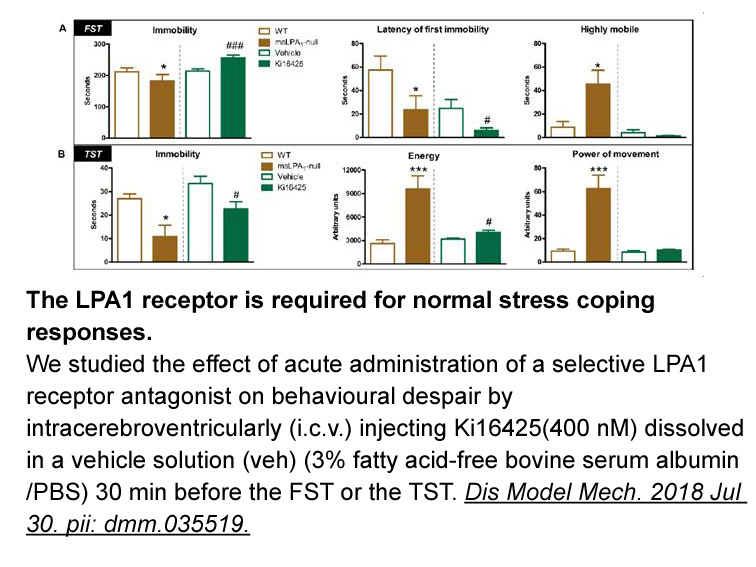
G protein activation through croaker ZIP9 An essential criterion for designating a steroid binding protein as a membrane steroid receptor is to demonstrate that it can transduce steroid signals in order to elicit a cellular response. Treatment with 100nMT caused G protein activation in croaker ZI
-
br AMPK as a druggable target AMPK signaling has attracted
2022-11-03

AMPK as a druggable target AMPK signaling has attracted considerable attention within the past decades, owing to the capacity of pharmacological compounds (e.g., 5-aminoimidazole-4-carboxamide-1-β-D-ribofuranoside [AICAR] and metformin) or natural compounds (e.g., resveratrol) to activate AMPK in
-
br Acknowledgements This work was
2022-11-03
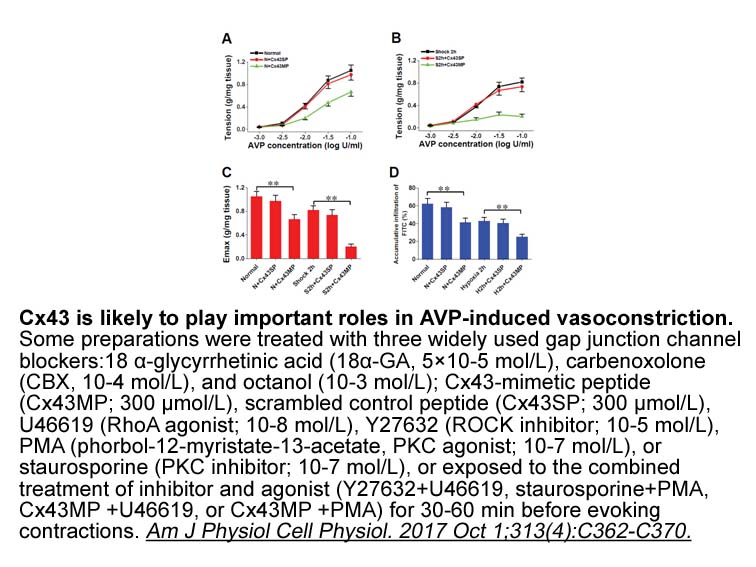
Acknowledgements This work was supported by Programme Grants from the MRC and the Wellcome Trust (SGC-C and MF). CB was in receipt of a Marie Curie Intra-European Fellowship during part of this work. We thank past and present members of our group for numerous valuable discussions throughout these
-
These results validate the docked pose of the ALR
2022-11-03
These results validate the docked pose of the ALR2-3e complex in comparison to the docked complex of the ALR2-4c complex of which the compound docked completely out of the binding pocket of ALR2 (). This concludes to that the removal of the acetic N6-Cyclopentyladenosine moiety leads to inactive o
-
A straightforward synthetic pathway was
2022-11-03
A straightforward synthetic pathway was adopted to synthesize the target compounds as outlined in . The starting chloromethylquinazolinones (–) were synthesized from anthranilic Mizoribine in two steps following reported procedures., , , The first step involves chloroacetylation of anthranilic aci
8493 records 419/567 page Previous Next First page 上5页 416417418419420 下5页 Last page